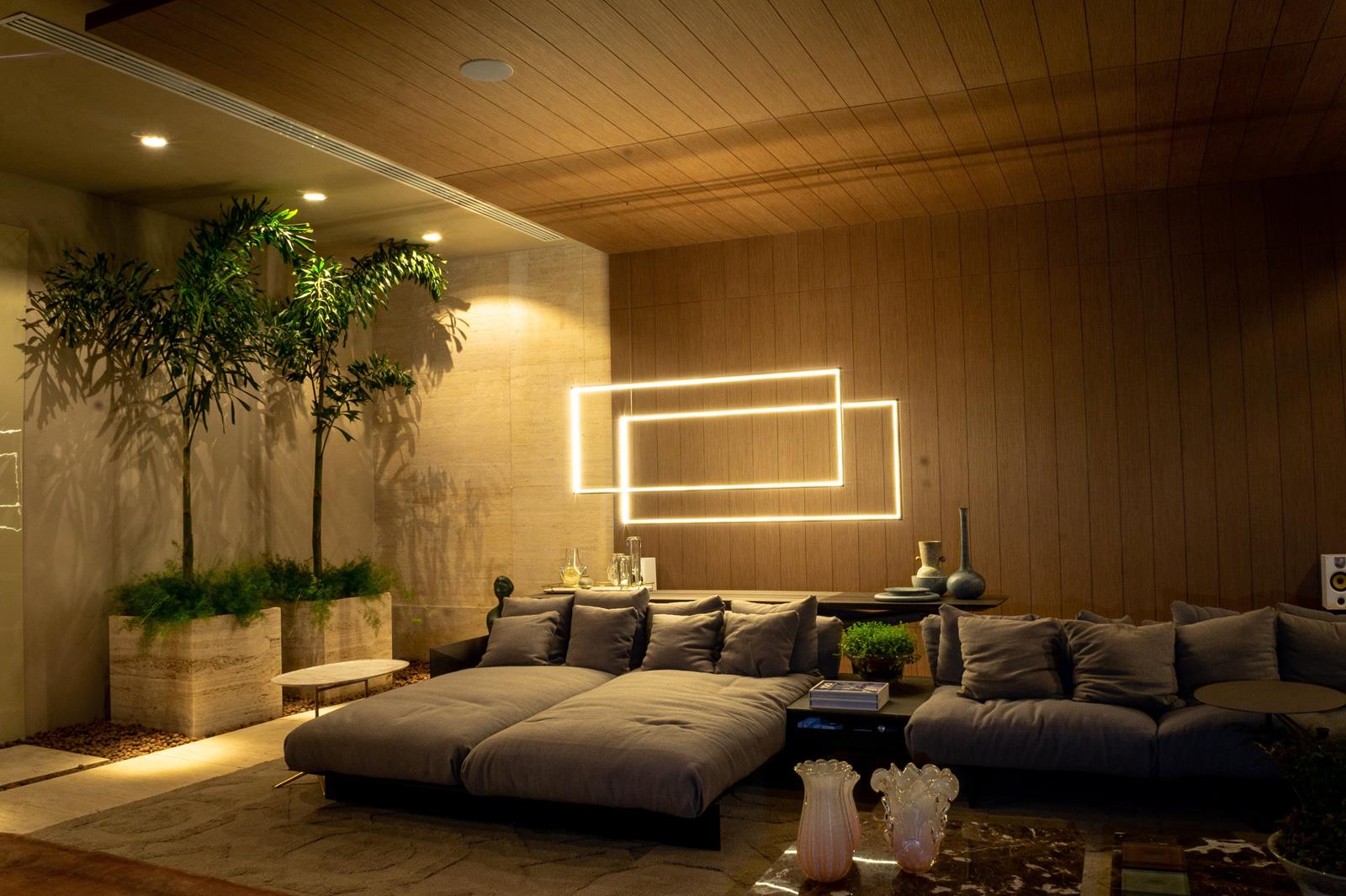
Choosing the right furniture for a home is more than just filling empty spaces—it is about creating a comfortable, functional, and visually appealing environment. Furniture plays a key role in defining the overall look and feel of a home, influencing both daily living and long-term satisfaction. With countless options available in terms of styles, materials, and designs, making the right choice can sometimes feel overwhelming.
A well-furnished home balances aesthetics with practicality, ensuring that each piece serves a purpose while complementing the overall design. From living rooms to bedrooms, every area requires thoughtful planning to achieve harmony and efficiency. Understanding the essential factors involved in selecting furniture helps homeowners avoid costly mistakes and create spaces that reflect their lifestyle and personality. By approaching the process with clarity and purpose, it becomes easier to build a home that is both functional and inviting.
Understanding Your Space and Layout
Before selecting any furniture, it is important to understand the available space and layout of the home. Measuring rooms accurately and considering how each area will be used helps determine the size and type of furniture needed. Oversized furniture can make a room feel cramped, while pieces that are too small may leave the space feeling incomplete.
Layout planning also involves considering traffic flow and accessibility. Furniture should be arranged in a way that allows easy movement and does not obstruct pathways. For example, in living rooms, seating should be positioned to encourage conversation while maintaining clear walkways.
For those following a home furniture selection guide, evaluating space and layout is a crucial first step. It ensures that each piece fits well within the environment and contributes to a balanced and functional design.
Balancing Style and Functionality
Furniture should not only look good but also serve practical purposes. While it is tempting to choose pieces based solely on appearance, functionality is equally important. A stylish sofa that lacks comfort or durability may not be the best long-term investment.
Balancing style and functionality involves selecting furniture that complements the home’s design while meeting everyday needs. For example, a dining table should be both visually appealing and sturdy enough for regular use. Similarly, storage furniture should provide adequate space without compromising aesthetics.
Achieving this balance requires thoughtful consideration of both design and usability. By choosing furniture that combines these elements, homeowners can create spaces that are both beautiful and practical.
Choosing the Right Materials and Quality
The materials used in furniture play a significant role in its durability, maintenance, and overall appearance. Common materials include wood, metal, glass, and upholstery fabrics, each offering different benefits. For instance, solid wood furniture is known for its strength and longevity, while metal and glass can create a more modern and sleek look.
Quality is another important factor to consider. High-quality furniture may come with a higher initial cost, but it often provides better value over time due to its durability and resistance to wear and tear. Checking construction details, such as joints and finishes, can help determine the quality of a piece.
For homeowners exploring a modern home furniture solutions, investing in quality materials ensures that furniture remains functional and visually appealing for years. It also reduces the need for frequent replacements, making it a cost-effective choice in the long run.
Considering Comfort and Ergonomics
Comfort is a key factor when choosing furniture, especially for items that are used frequently, such as sofas, chairs, and beds. Ergonomics, or the design of furniture to support the body properly, plays a crucial role in ensuring comfort and preventing strain.
When selecting seating, it is important to consider factors such as cushioning, back support, and seat height. Testing furniture before purchasing can help determine whether it meets comfort requirements. For beds, choosing the right mattress and frame is essential for quality sleep and overall well-being.
Prioritizing comfort does not mean compromising on style. Many modern designs incorporate ergonomic features without sacrificing aesthetics. By focusing on both aspects, homeowners can create spaces that are inviting and supportive.
Matching Furniture with Interior Design Themes
Consistency in design is essential for creating a cohesive and harmonious home. Furniture should align with the overall interior design theme, whether it is modern, traditional, minimalist, or eclectic. This ensures that all elements work together to create a unified look.
Color coordination is an important aspect of this process. Choosing furniture that complements wall colors, flooring, and décor helps create a balanced and visually pleasing environment. Mixing styles can also be effective when done thoughtfully, adding character and uniqueness to the space.
By maintaining a consistent design approach, homeowners can achieve a polished and well-organized appearance. This not only enhances the aesthetic appeal but also contributes to a more comfortable and enjoyable living environment.
Planning for Storage and Practical Needs
Storage is an essential consideration when choosing furniture, especially in homes with limited space. Multi-functional furniture, such as storage beds, ottomans, and cabinets, can help maximize space while maintaining a clean and organized look.
Planning for storage involves identifying areas where additional space is needed and selecting furniture that addresses those needs. For example, a coffee table with built-in storage can provide a convenient place to store magazines or remote controls, reducing clutter in the living room.
Practicality is key in ensuring that furniture meets everyday requirements. By choosing pieces that offer both functionality and style, homeowners can create spaces that are efficient and visually appealing.
Conclusion
Choosing the right furniture for a home requires careful consideration of various factors, including space, style, functionality, and quality. By understanding the layout of the home and selecting pieces that fit well within the available space, homeowners can create a balanced and comfortable environment. Combining aesthetics with practicality ensures that furniture not only enhances the visual appeal of a home but also supports everyday living. Investing in high-quality materials and prioritizing comfort further contributes to long-term satisfaction and durability. Additionally, maintaining consistency with interior design themes and incorporating smart storage solutions helps create a cohesive and organized space. Ultimately, the process of selecting furniture is about creating a home that reflects personal style while meeting practical needs. With thoughtful planning and informed decisions, homeowners can design spaces that are both functional and inviting, making their living environment truly enjoyable.