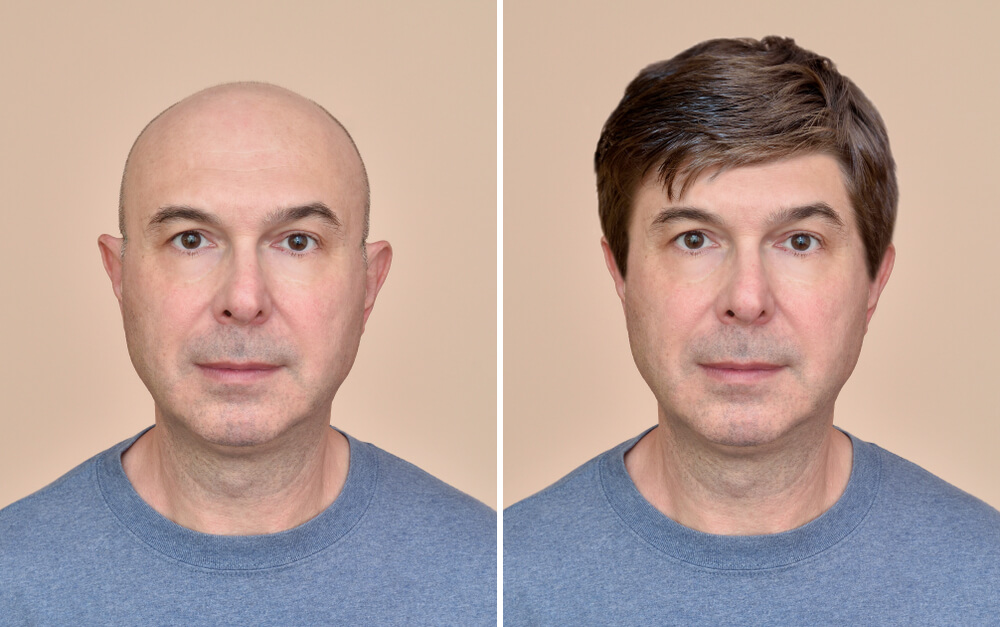
Hair loss is a common concern that affects both men and women across different stages of life. Whether caused by genetics, aging, medical conditions, or lifestyle factors, losing hair can impact not only appearance but also confidence and self-esteem. As a result, many individuals explore long-term solutions that go beyond temporary fixes like topical treatments or wigs.
One of the most effective and increasingly popular solutions is a hair transplant. This medical procedure offers a permanent way to restore natural-looking hair by redistributing existing hair follicles to thinning or balding areas. With advancements in technology and techniques, hair transplants have become more precise, minimally invasive, and accessible to a wider range of people. Understanding how the procedure works, its different types, and what to expect can help individuals make informed decisions about their hair restoration journey.
Understanding What a Hair Transplant Is
A hair transplant is a cosmetic surgical procedure that involves moving hair follicles from one part of the body—commonly referred to as the donor area—to areas experiencing hair thinning or baldness. The donor area is typically the back or sides of the scalp, where hair tends to be more resistant to hair loss. These follicles are carefully extracted and implanted into the recipient area to promote natural hair growth.
The main goal of a hair transplant is to restore hair in a way that looks and feels completely natural. Unlike temporary solutions, the transplanted hair continues to grow over time, just like the rest of the hair on the scalp. This makes it a long-term solution for individuals dealing with pattern baldness or significant hair thinning.
For those exploring a complete hair restoration guide, understanding the fundamentals of a hair transplant is the first step. It helps set realistic expectations and provides insight into how modern techniques can deliver highly natural and satisfying results.
Types of Hair Transplant Procedures
There are two primary types of hair transplant procedures widely used today: Follicular Unit Transplantation (FUT) and Follicular Unit Extraction (FUE). Each method has its own approach, benefits, and considerations, depending on the individual’s needs and preferences.
FUT involves removing a strip of skin from the donor area, from which individual hair follicles are extracted and then transplanted. This method allows for the transplantation of a large number of follicles in a single session, making it suitable for individuals with more advanced hair loss. However, it may leave a linear scar, which can be a concern for those who prefer shorter hairstyles.
FUE, on the other hand, involves extracting individual hair follicles directly from the scalp using specialized tools. This method is less invasive and does not leave a noticeable scar, making it a popular choice among patients. While it may take longer to perform, FUE offers greater flexibility and quicker recovery times. Both techniques are effective, and the choice often depends on personal goals, hair type, and medical advice.
The Procedure: Step-by-Step Overview
The hair transplant process typically begins with a consultation, where a specialist evaluates the patient’s scalp, hair condition, and overall suitability for the procedure. During this stage, a customized plan is developed to achieve the desired outcome, including determining the number of grafts needed and the appropriate technique to use.
On the day of the procedure, local anesthesia is applied to ensure comfort. The surgeon then extracts hair follicles from the donor area and carefully prepares them for transplantation. These follicles are implanted into the recipient area following the natural direction and pattern of hair growth, which is crucial for achieving a realistic appearance.
After the procedure, patients may experience mild swelling or discomfort, which usually subsides within a few days. Over the following weeks, the transplanted hair may shed before new growth begins. This is a normal part of the process, and visible results typically start to appear within a few months, with full results developing over time.
Benefits of Hair Transplant Surgery
One of the most significant advantages of a hair transplant is its permanence. Unlike temporary solutions, transplanted hair follicles continue to grow naturally, providing long-lasting results. This makes it an attractive option for individuals seeking a more reliable and sustainable solution to hair loss.
Another benefit is the natural appearance achieved through modern techniques. Skilled surgeons carefully place each follicle to mimic natural hair growth patterns, ensuring that the results blend seamlessly with existing hair. This level of precision has greatly improved the overall success and satisfaction rates of hair transplant procedures.
For individuals researching a natural hair regrowth solutions, hair transplants stand out as one of the most effective options. They not only restore hair but also boost confidence and improve overall quality of life, making them a worthwhile investment for many people.
Who Is a Good Candidate for a Hair Transplant?
Not everyone experiencing hair loss is an ideal candidate for a hair transplant. The best candidates are typically individuals with sufficient healthy hair in the donor area, as this is essential for successful transplantation. Factors such as age, hair type, and the extent of hair loss also play a role in determining eligibility.
People with stable hair loss patterns tend to achieve better results, as ongoing hair loss can affect the long-term outcome of the procedure. Additionally, individuals in good overall health are more likely to recover quickly and experience fewer complications.
A professional consultation is crucial in assessing candidacy. During this evaluation, specialists can provide personalized recommendations and discuss alternative treatments if necessary. Understanding whether a hair transplant is the right choice helps ensure realistic expectations and optimal results.
Recovery and Long-Term Results
Recovery from a hair transplant is generally straightforward, especially with modern techniques like FUE. Most patients can return to their normal activities within a few days, although it is recommended to avoid strenuous activities for a short period to allow proper healing.
In the weeks following the procedure, it is common for the transplanted hair to shed. This temporary phase is part of the natural hair growth cycle, and new hair will begin to grow in its place. Over time, the hair becomes thicker and more noticeable, leading to a fuller appearance.
Long-term results depend on proper care and adherence to post-procedure guidelines. Patients are often advised to follow specific hair care routines and attend follow-up appointments to monitor progress. With the right approach, a hair transplant can provide lasting and highly satisfying results, making it a transformative solution for those dealing with hair loss.
Conclusion
Hair transplants have evolved into a highly effective and reliable solution for individuals seeking to address hair loss in a permanent and natural way. By transferring healthy hair follicles to thinning or balding areas, this procedure offers results that not only restore hair but also enhance confidence and overall well-being. With options like FUT and FUE, patients can choose techniques that align with their preferences and lifestyle, while advancements in medical technology continue to improve outcomes and recovery experiences. Understanding the procedure, benefits, and suitability is essential for making informed decisions and setting realistic expectations. As more people explore long-term solutions to hair loss, hair transplants remain at the forefront of modern cosmetic treatments. Ultimately, it is not just about regaining hair—it is about reclaiming a sense of self and embracing a renewed level of confidence through a proven and transformative process.