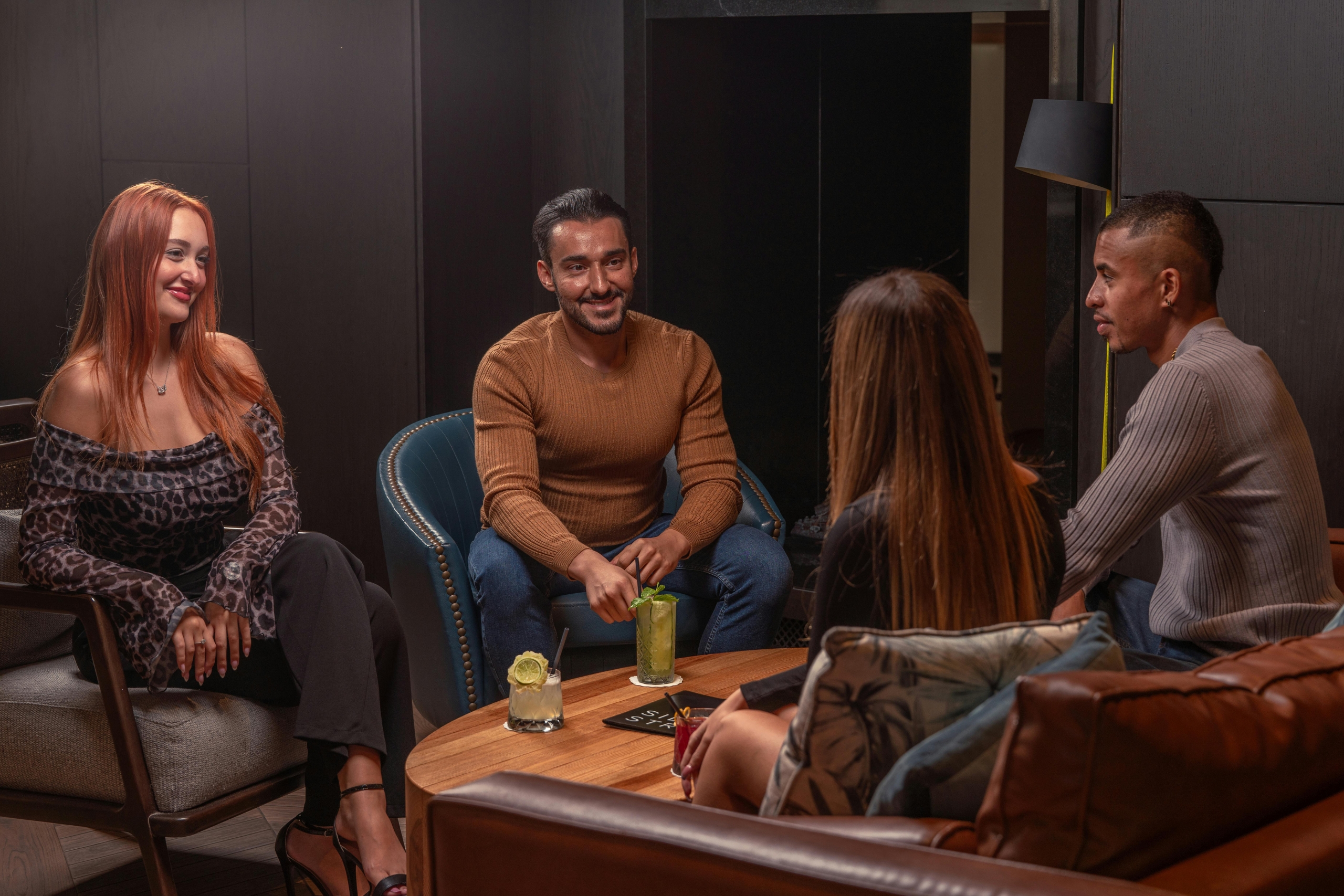
In the hospitality industry, every detail contributes to the overall guest experience, from room design to service quality. Among these elements, lounging spaces have become increasingly important in creating a welcoming and relaxing environment. Whether in hotels, resorts, or upscale restaurants, lounges serve as more than just waiting areas—they are integral parts of the guest journey.
Modern travelers and diners seek comfort, convenience, and memorable experiences. Lounging areas provide a space where guests can unwind, socialize, or simply take a break from their routines. These spaces are thoughtfully designed to reflect the brand’s identity while offering a sense of ease and sophistication. As hospitality continues to evolve, understanding the purpose and value of lounging becomes essential for businesses aiming to elevate guest satisfaction and stand out in a competitive market.
Creating a Welcoming First Impression
Lounging areas often serve as the first point of interaction between guests and a hospitality establishment. Whether located in a hotel lobby or a restaurant entrance, these spaces set the tone for the overall experience. A well-designed lounge creates an immediate sense of comfort and professionalism, making guests feel welcomed from the moment they arrive.
The layout, furniture, lighting, and ambiance all contribute to this initial impression. Comfortable seating, calming colors, and thoughtful design elements help create an inviting atmosphere that encourages guests to relax. This is particularly important in high-traffic environments where first impressions can significantly influence guest perception.
For those exploring a hospitality lounge design experience, focusing on the welcoming aspect of lounging spaces is essential. It ensures that guests feel valued and comfortable, setting the stage for a positive and memorable stay or visit.
Enhancing Guest Comfort and Relaxation
One of the primary purposes of lounging in hospitality is to provide a space for relaxation. Guests often seek moments of rest during their travels or dining experiences, and lounges offer the perfect environment for unwinding. These areas are designed with comfort in mind, featuring plush seating, soft lighting, and a शांत atmosphere that promotes relaxation.
Lounging spaces also cater to different needs, whether it’s a quiet corner for reading or a social area for conversation. This versatility allows guests to use the space in a way that suits their preferences, enhancing their overall experience. The presence of such spaces can significantly improve guest satisfaction by offering a break from busy schedules or crowded environments.
By prioritizing comfort, hospitality businesses can create a more enjoyable and stress-free experience for their guests. This not only encourages longer stays but also fosters positive impressions that contribute to repeat visits.
Encouraging Social Interaction and Engagement
Lounges play a key role in fostering social interaction within hospitality settings. These spaces are designed to bring people together, whether they are friends, families, or business associates. Comfortable seating arrangements and open layouts encourage conversation and connection, making lounges ideal for both casual and formal interactions.
In hotels, lounges often serve as meeting points where guests can gather before heading out or after returning from activities. In restaurants, they can act as pre-dining or post-dining spaces where guests can enjoy drinks and conversation. This social aspect adds value to the overall experience, making it more engaging and memorable.
For businesses focusing on a modern guest experience solutions, incorporating spaces that promote interaction is essential. It enhances the sense of community and creates opportunities for guests to connect, which can elevate the overall atmosphere of the establishment.
Supporting Functional and Flexible Use
Lounging areas are not limited to relaxation and socializing—they also serve functional purposes within hospitality environments. These spaces can be used for informal meetings, waiting areas, or even temporary workspaces for guests who need to stay productive while traveling.
The flexibility of lounging spaces makes them highly valuable. By incorporating elements such as charging stations, Wi-Fi access, and adaptable seating, hospitality businesses can cater to a wide range of guest needs. This versatility ensures that the space remains useful throughout the day, accommodating different activities and preferences.
Functional design also contributes to efficiency, helping manage guest flow and reduce congestion in other areas. By providing designated spaces for waiting or working, lounges help maintain a smooth and organized environment within the establishment.
Enhancing Brand Identity and Aesthetic Appeal
Lounging spaces are an extension of a brand’s identity, reflecting its style, values, and level of service. The design and ambiance of these areas play a significant role in shaping how guests perceive the establishment. From luxurious and elegant to modern and minimalist, the aesthetic choices made in lounge design can leave a lasting impression.
Attention to detail is crucial in creating a cohesive look that aligns with the brand. Elements such as furniture, décor, lighting, and artwork should work together to create a unified and visually appealing space. This not only enhances the guest experience but also reinforces the brand’s image.
A well-designed lounge can become a signature feature of a hospitality establishment, setting it apart from competitors. It creates a memorable environment that guests associate with comfort, quality, and attention to detail.
Driving Revenue and Business Opportunities
Beyond comfort and aesthetics, lounging areas can also contribute to revenue generation. In many hospitality settings, lounges are integrated with bars or dining services, offering guests additional options for food and beverages. This creates opportunities for increased spending and enhances the overall profitability of the business.
Lounges can also host events, meetings, or private gatherings, further expanding their functionality. By utilizing these spaces effectively, businesses can maximize their potential and create additional revenue streams. This makes lounging areas not only a design feature but also a strategic asset.
For hospitality businesses, understanding the economic value of lounging spaces is essential. It highlights the importance of investing in well-designed and functional lounges that contribute to both guest satisfaction and business success.
Conclusion
Lounging in hospitality serves a multifaceted purpose, combining comfort, functionality, and aesthetic appeal to enhance the overall guest experience. From creating welcoming first impressions to providing spaces for relaxation, social interaction, and productivity, lounges play a vital role in modern hospitality design. They not only improve guest satisfaction but also contribute to brand identity and revenue generation, making them a valuable asset for any establishment. As the expectations of travelers and diners continue to evolve, the importance of thoughtfully designed lounging spaces becomes even more significant. By understanding and implementing the principles behind effective lounge design, hospitality businesses can create environments that are both inviting and versatile. Ultimately, lounging is not just about providing a place to sit—it is about crafting experiences that leave a lasting impression and encourage guests to return.