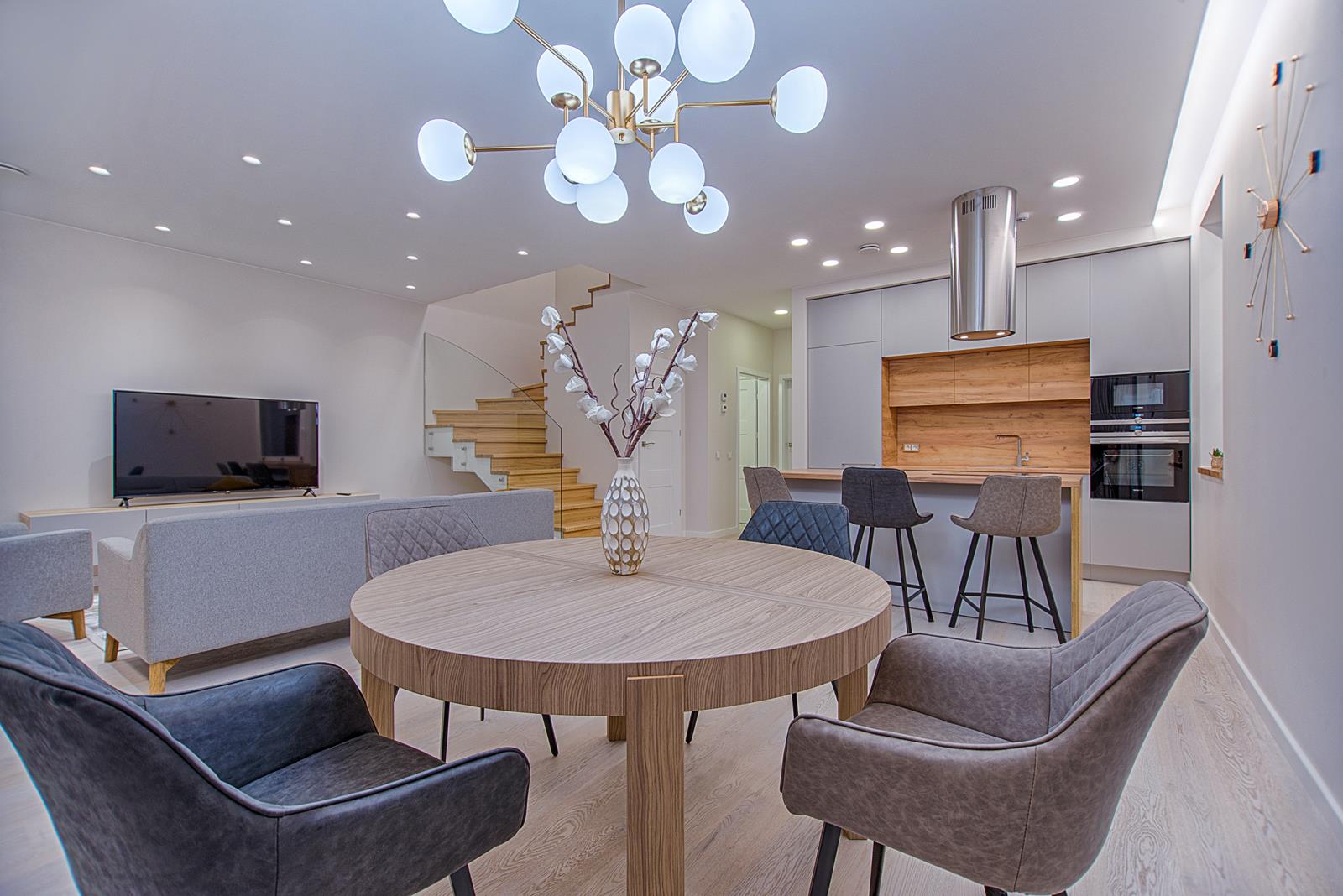
Furniture plays a central role in shaping the atmosphere, functionality, and personality of any living space. From classic wooden pieces to sleek modern designs, the choices available today reflect a wide spectrum of lifestyles and preferences. Understanding the different types and styles of furniture helps individuals make informed decisions that go beyond aesthetics, ensuring comfort, practicality, and long-term value.
As homes evolve into multi-functional spaces, furniture is no longer just about filling a room—it’s about creating experiences. Whether designing a cozy apartment, a spacious house, or a professional workspace, selecting the right furniture style can transform the environment entirely. Each type carries its own character, materials, and design philosophy, offering unique advantages depending on the user’s needs. By exploring these options, homeowners and designers can craft interiors that are both visually appealing and highly functional.
Traditional Furniture: Timeless Elegance and Craftsmanship
Traditional furniture remains one of the most enduring styles, known for its classic appeal and intricate detailing. This type often features rich wood finishes, ornate carvings, and symmetrical designs that reflect historical influences from European aesthetics. Pieces such as wooden dining tables, upholstered armchairs, and antique cabinets embody a sense of refinement that never goes out of style.
Beyond its visual appeal, traditional furniture is also valued for its durability. Many pieces are crafted using solid hardwoods like mahogany, oak, or cherry, making them long-lasting investments. The craftsmanship involved in these designs often emphasizes hand-carved details and high-quality construction techniques, which contribute to their timeless nature. This makes them particularly suitable for homeowners who appreciate heritage and longevity in their interior design.
In modern homes, traditional furniture is often blended with contemporary elements to create a balanced look. This fusion allows individuals to preserve classic charm while incorporating modern functionality. As part of a broader home furniture style guide, traditional pieces continue to serve as anchors in interior design, offering both elegance and reliability.
Modern Furniture: Clean Lines and Functional Design
Modern furniture is defined by simplicity, minimalism, and functionality. Originating from the early to mid-20th century design movements, it focuses on clean lines, neutral colors, and uncluttered forms. Materials such as metal, glass, and engineered wood are commonly used, giving the pieces a sleek and contemporary appearance.
One of the key features of modern furniture is its emphasis on practicality. Every element serves a purpose, eliminating unnecessary ornamentation. Sofas with streamlined silhouettes, modular shelving units, and minimalist coffee tables are typical examples. These designs are ideal for individuals who prefer open spaces and a clutter-free environment.
Modern furniture also adapts well to smaller living areas, making it a popular choice for urban dwellers. Its ability to maximize space without compromising style is a significant advantage. Additionally, modern designs often incorporate innovative features such as hidden storage or multi-functional components, enhancing usability.
For those exploring a modern furniture design inspiration, this style offers endless possibilities. It provides a foundation for creating interiors that feel fresh, organized, and effortlessly stylish.
Contemporary Furniture: Ever-Evolving Trends
While often confused with modern furniture, contemporary furniture refers to styles that are current and continuously evolving. It reflects the latest trends in interior design, incorporating elements from various styles to create something unique and dynamic. This flexibility allows contemporary furniture to stay relevant as design preferences change over time.
Contemporary pieces often feature bold shapes, mixed materials, and innovative finishes. For example, a contemporary sofa might combine leather and fabric, or a table might incorporate both wood and metal. This blending of textures adds depth and visual interest to a space, making it more engaging and personalized.
Another defining characteristic is adaptability. Contemporary furniture is designed to fit into various settings, whether it’s a minimalist apartment or a more eclectic home. It often includes modular designs that can be rearranged or customized according to the user’s needs, offering both style and convenience.
As lifestyles continue to shift, contemporary furniture remains at the forefront of innovation. It allows homeowners to experiment with design while maintaining a cohesive look, making it a versatile choice for modern living environments.
Rustic Furniture: Natural Charm and Warmth
Rustic furniture is inspired by nature and emphasizes raw, organic materials. This style often features unfinished or lightly treated wood, showcasing natural textures, grains, and imperfections. The result is a warm and inviting aesthetic that brings a sense of the outdoors into the home.
Pieces in this category typically include wooden tables, log-style beds, and handcrafted cabinets. These items often have a rugged appearance, highlighting their natural origins. Despite their simplicity, rustic furniture can create a powerful visual impact, especially when paired with neutral tones and earthy decor elements.
One of the main advantages of rustic furniture is its authenticity. It celebrates imperfections, making each piece unique. This style is particularly appealing to those who value sustainability and craftsmanship, as many rustic items are made from reclaimed or responsibly sourced materials.
Rustic furniture works well in various settings, from countryside homes to urban spaces seeking a cozy touch. Its ability to create a relaxed and welcoming atmosphere makes it a popular choice for living rooms and dining areas.
Industrial Furniture: Urban and Edgy Appeal
Industrial furniture draws inspiration from old factories and industrial spaces, combining raw materials with functional design. This style often features exposed metal, distressed wood, and utilitarian elements that create a bold and edgy look.
Common pieces include metal-framed tables, open shelving units, and leather seating. The emphasis is on durability and practicality, with designs that prioritize function over decoration. The use of neutral color palettes, such as gray, black, and brown, further enhances the industrial aesthetic.
One of the unique aspects of industrial furniture is its ability to make a statement. It adds character to a space, especially when combined with exposed brick walls or concrete floors. This style is particularly popular in loft apartments and modern urban homes.
Despite its rugged appearance, industrial furniture can be surprisingly versatile. It can be softened with textiles or combined with other styles to create a balanced look. This adaptability makes it a compelling choice for those seeking a distinctive yet functional interior design.
Scandinavian Furniture: Simplicity and Comfort
Scandinavian furniture is known for its simplicity, functionality, and focus on comfort. Originating from Nordic countries, this style emphasizes clean lines, light colors, and natural materials. It aims to create spaces that are both practical and inviting.
Wood, particularly light-toned varieties like pine and birch, is a key material in Scandinavian design. Furniture pieces often feature minimal ornamentation, allowing their natural beauty to stand out. Sofas, chairs, and tables are designed with comfort in mind, making them suitable for everyday use.
Another important aspect is the use of neutral and pastel color palettes. These tones help create a bright and airy atmosphere, which is especially valuable in regions with limited natural light. Soft textiles, such as wool and cotton, are often added to enhance warmth and coziness.
Scandinavian furniture is ideal for those who appreciate a balanced approach to design. It combines aesthetics with practicality, resulting in interiors that feel both modern and welcoming. Its timeless appeal ensures that it remains a popular choice across different cultures and lifestyles.
Conclusion
Understanding the different types and styles of furniture allows individuals to create spaces that truly reflect their needs, preferences, and personalities. Each style, from the elegance of traditional designs to the simplicity of Scandinavian aesthetics, offers unique characteristics that contribute to both form and function. By carefully selecting furniture pieces, homeowners can achieve a harmonious balance between visual appeal and practicality. As design trends continue to evolve, the ability to mix and match styles has become increasingly important, enabling more personalized and dynamic interiors. Whether furnishing a new home or updating an existing space, having a clear understanding of these styles provides a strong foundation for making thoughtful choices. Ultimately, furniture is more than just a functional necessity—it is an expression of lifestyle and creativity. Exploring various styles helps individuals craft environments that are not only beautiful but also comfortable and meaningful, ensuring that every space feels like home.