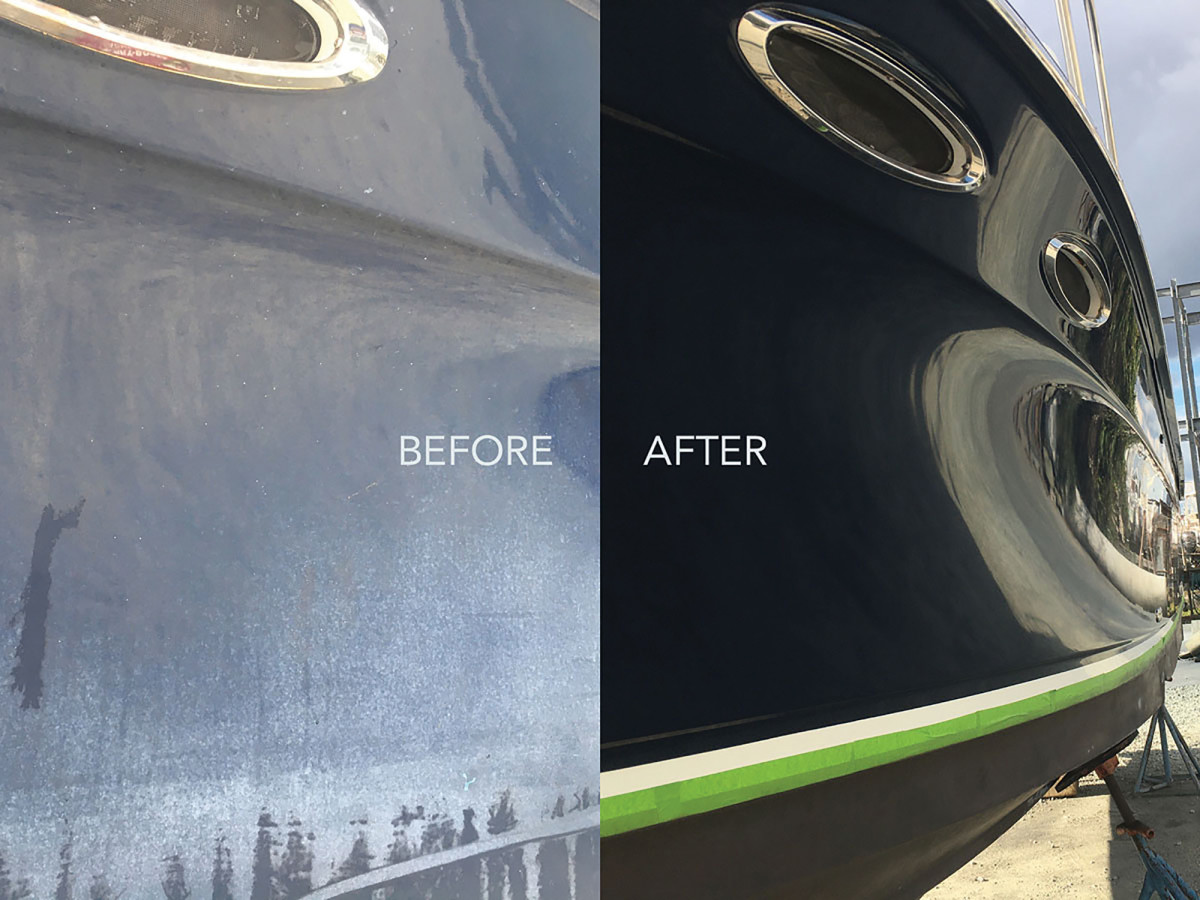
Boat owners understand that maintaining a vessel is not just about performance—it’s also about preserving appearance and protecting surfaces from harsh marine conditions. Constant exposure to saltwater, UV rays, oxidation, and contaminants can quickly degrade a boat’s exterior, leading to fading, staining, and long-term damage. Traditional waxing methods offer temporary protection, but they often require frequent reapplication and may not withstand demanding environments.
This is where ceramic coating has become a game-changer in marine care. Designed to create a durable, protective layer over surfaces, ceramic coatings provide long-lasting defense while enhancing gloss and ease of maintenance. As more boat owners seek efficient and reliable solutions, understanding the best ceramic coating options and how they work becomes essential. With the right knowledge, maintaining a boat’s pristine condition becomes far more manageable and cost-effective over time.
What Is Ceramic Coating for Boats?
Ceramic coating is a liquid polymer applied to a boat’s exterior surfaces, forming a chemical bond that creates a protective layer. Unlike traditional waxes or sealants, ceramic coatings do not simply sit on top of the surface—they integrate with it, offering enhanced durability and resistance to environmental damage. This makes them particularly effective in marine environments where exposure to saltwater and sunlight is constant.
One of the most notable features of ceramic coating is its hydrophobic property. This means water, dirt, and grime are less likely to stick to the surface, making cleaning significantly easier. In addition, ceramic coatings help prevent oxidation, which is a common issue for boats exposed to prolonged sunlight. The result is a finish that remains glossy and smooth for an extended period.
For those exploring a marine ceramic coating protection, understanding how these coatings function provides a strong foundation. It highlights why they are considered a superior alternative to traditional protective methods and why they are increasingly popular among boat owners.
Key Benefits of Using Ceramic Coating on Boats
One of the primary advantages of ceramic coating is its long-lasting protection. Unlike wax, which may wear off within weeks, ceramic coatings can last for months or even years, depending on the product and maintenance. This durability makes them a cost-effective solution for boat owners who want consistent protection without frequent reapplication.
Another significant benefit is enhanced appearance. Ceramic coatings create a deep, glossy finish that enhances the boat’s overall look. This is especially important for those who take pride in maintaining a clean and polished vessel. The coating also helps reduce the appearance of minor scratches and swirl marks, contributing to a smoother surface.
In addition to aesthetics, ceramic coatings simplify maintenance. The hydrophobic layer repels water and contaminants, making it easier to rinse off salt and debris. This reduces cleaning time and effort, allowing boat owners to focus more on enjoying their time on the water rather than maintaining their vessel.
Types of Ceramic Coatings for Marine Use
Not all ceramic coatings are created equal, and choosing the right type depends on the specific needs of the boat. Some coatings are designed for professional application, offering maximum durability and performance. These products often require specialized equipment and expertise but deliver superior results.
There are also consumer-grade ceramic coatings that are easier to apply and more accessible to the average boat owner. While they may not last as long as professional-grade options, they still provide significant improvements over traditional waxes. These coatings are ideal for individuals who prefer a DIY approach to boat maintenance.
For those looking into a advanced boat surface protection solutions, it is important to consider factors such as application method, longevity, and compatibility with different materials. Whether choosing a professional or DIY option, selecting the right product ensures optimal performance and protection.
How to Apply Ceramic Coating on a Boat
Proper application is crucial to achieving the best results with ceramic coating. The process typically begins with thorough cleaning and preparation of the boat’s surface. This includes washing, decontaminating, and polishing to remove any dirt, oxidation, or imperfections. A clean surface ensures that the coating bonds effectively.
Once the surface is prepared, the ceramic coating is applied in small sections using an applicator pad. It is then leveled and allowed to cure according to the manufacturer’s instructions. This curing process is essential for forming a strong and durable bond with the surface.
While the application process may seem straightforward, it requires attention to detail and patience. Any mistakes during application can affect the final result. For this reason, some boat owners prefer professional installation, especially for high-end coatings that require precise handling.
Factors to Consider When Choosing the Best Ceramic Coating
Selecting the best ceramic coating for a boat involves evaluating several key factors. Durability is one of the most important considerations, as it determines how long the coating will provide protection. Products with higher durability ratings are typically more resistant to harsh conditions and require less frequent maintenance.
Ease of application is another factor to consider, particularly for those who plan to apply the coating themselves. Some products are designed for simple application, while others may require professional expertise. Understanding the level of effort involved helps in making the right choice.
Additionally, compatibility with the boat’s material is essential. Different coatings may perform better on fiberglass, gel coat, or painted surfaces. Considering these factors ensures that the chosen product delivers the desired results and meets the specific needs of the boat owner.
Maintenance and Longevity of Ceramic Coatings
Maintaining a ceramic-coated boat is relatively simple compared to traditional methods. Regular rinsing with fresh water helps remove salt and debris, preserving the coating’s effectiveness. Using gentle cleaning products designed for coated surfaces further enhances longevity.
Periodic inspections are also important to ensure that the coating remains intact and continues to provide protection. In some cases, a maintenance spray or booster may be applied to extend the coating’s lifespan and enhance its hydrophobic properties.
With proper care, ceramic coatings can significantly extend the life of a boat’s exterior while maintaining its appearance. This makes them a valuable investment for boat owners who prioritize both protection and aesthetics. Over time, the reduced need for frequent maintenance and repairs can lead to substantial savings.
Conclusion
Ceramic coatings have transformed the way boat owners approach maintenance and protection, offering a durable and efficient solution for preserving both appearance and structural integrity. By forming a strong, protective layer, these coatings shield boats from harsh marine elements such as saltwater, UV exposure, and environmental contaminants. The result is not only a longer-lasting finish but also a significantly reduced need for frequent cleaning and upkeep. As advancements in coating technology continue to improve performance and accessibility, more boat owners are turning to ceramic solutions as a reliable alternative to traditional waxing methods. Whether opting for professional-grade applications or user-friendly DIY products, understanding the key features and benefits of ceramic coatings is essential for making an informed decision. Ultimately, investing in the right ceramic coating ensures that a boat remains in excellent condition, allowing owners to enjoy both its performance and appearance with confidence for years to come.