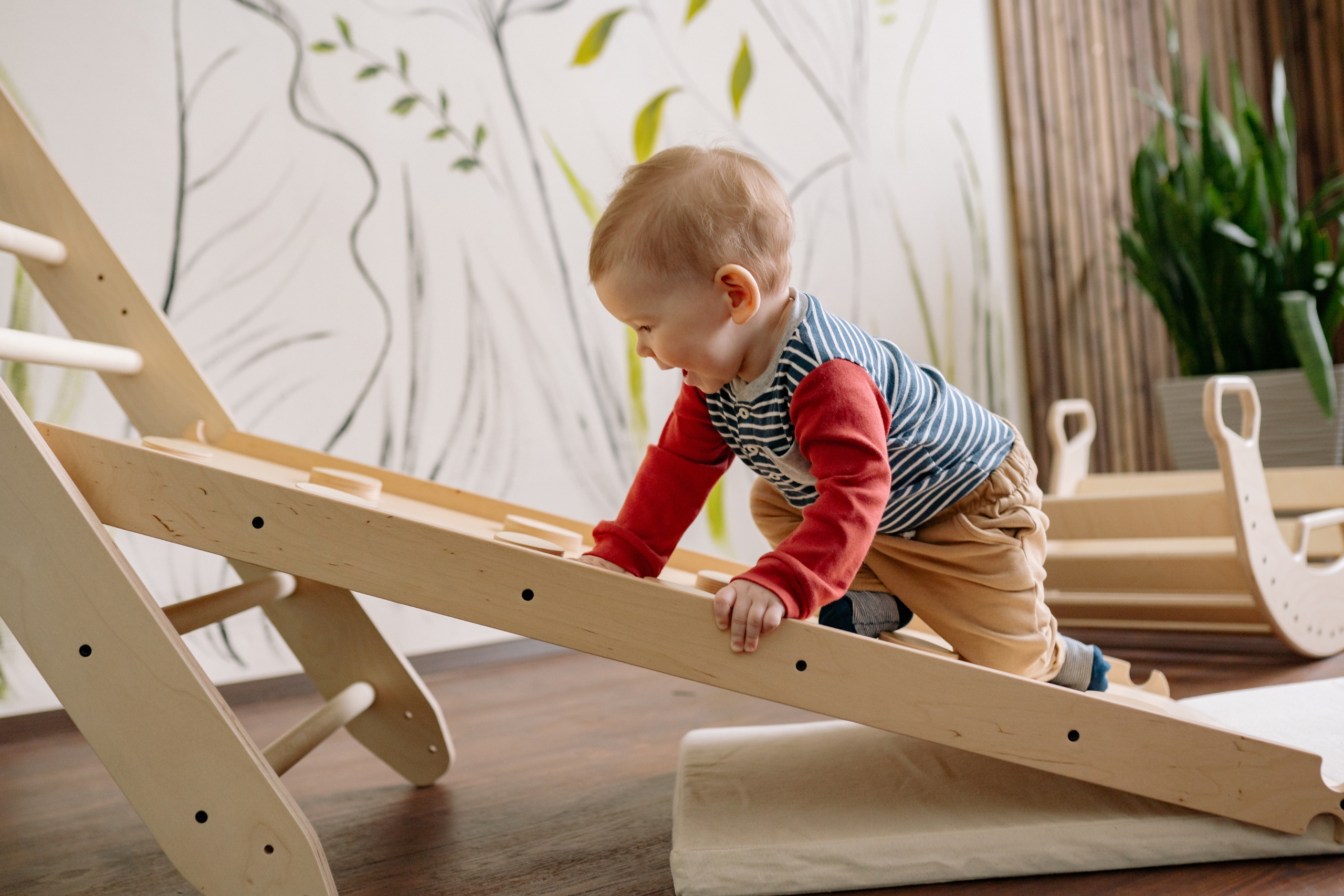
Creating a safe home environment is one of the top priorities for parents, especially when toddlers begin to explore their surroundings. At this stage, curiosity is at its peak, and everyday furniture can quickly become a source of potential hazards. From sharp edges to unstable structures, common household items may pose risks if not properly secured or designed with safety in mind.
As toddlers learn to walk, climb, and interact with their environment, ensuring that furniture is safe becomes essential for preventing accidents and injuries. Childproofing furniture does not mean sacrificing style or comfort—it simply involves making thoughtful adjustments to create a secure and toddler-friendly space. By understanding the risks and implementing practical safety measures, parents can provide a home that supports both exploration and protection. With the right approach, it is possible to maintain a beautiful living space while ensuring the safety and well-being of young children.
Identifying Common Furniture Hazards
Before implementing safety measures, it is important to identify the most common furniture-related hazards in the home. Sharp edges and corners are among the primary concerns, as toddlers are prone to falls and collisions while learning to walk. Tables, cabinets, and low shelves can easily cause injuries if left unprotected.
Another major risk is furniture tipping. Items such as bookshelves, dressers, and TV stands can become unstable if a child attempts to climb on them. This can lead to serious accidents if the furniture is not properly secured. Additionally, drawers and doors can pose hazards, as toddlers may trap their fingers while opening or closing them.
For those following a toddler safe furniture tips guide, recognizing these risks is the first step. It allows parents to prioritize areas that require immediate attention and implement effective safety solutions that reduce potential dangers within the home.
Securing Furniture to Prevent Tipping
One of the most effective ways to improve furniture safety is by securing heavy items to the wall. Anchoring furniture such as dressers, wardrobes, and bookshelves prevents them from tipping over, even if a child tries to climb on them. Wall anchors and brackets are widely available and relatively easy to install, making them a practical solution for most households.
In addition to anchoring, it is important to place heavier items on lower shelves and avoid overloading the top of furniture. This helps maintain stability and reduces the risk of imbalance. Keeping frequently used items within easy reach also minimizes the temptation for toddlers to climb.
These simple adjustments can significantly reduce the risk of accidents. By ensuring that furniture remains stable and secure, parents can create a safer environment that supports their child’s natural curiosity without compromising safety.
Using Protective Accessories for Edges and Corners
Protective accessories are essential for minimizing the risk of injuries caused by sharp edges and corners. Corner guards and edge protectors can be easily attached to furniture, providing a soft barrier that reduces the impact of bumps and falls. These accessories are available in various designs and materials, allowing them to blend seamlessly with home décor.
In addition to protecting edges, it is also important to consider the materials used in furniture. Choosing pieces with rounded edges or softer finishes can further enhance safety. Rugs and carpets can also help cushion falls, especially in areas where toddlers frequently play.
For parents exploring a family friendly home safety solutions, incorporating these protective measures is a simple yet effective way to reduce risks. It ensures that furniture remains both functional and safe, creating a more comfortable environment for children to explore.
Installing Locks and Safety Latches
Cabinets, drawers, and storage units often contain items that are not safe for toddlers, such as sharp objects or cleaning supplies. Installing locks and safety latches is an effective way to prevent access to these potentially dangerous items. These devices are designed to be easy for adults to use while remaining secure against curious children.
Safety latches can also prevent drawers from being pulled out completely, reducing the risk of tipping or finger injuries. Magnetic locks and adhesive latches are popular options, as they are easy to install and do not require extensive modifications to furniture.
By controlling access to certain areas, parents can create a safer environment without restricting their child’s ability to explore. These measures provide an added layer of protection, ensuring that hazardous items remain out of reach.
Choosing Toddler-Friendly Furniture Designs
When selecting furniture for a home with toddlers, it is important to consider designs that prioritize safety. Furniture with rounded edges, sturdy construction, and non-toxic finishes is ideal for creating a child-friendly environment. Avoiding glass surfaces or fragile materials can further reduce the risk of accidents.
Low-height furniture is another practical option, as it allows toddlers to interact with their environment without climbing. This reduces the likelihood of falls and makes it easier for children to access their belongings safely. Additionally, choosing furniture with soft-close mechanisms can help prevent finger injuries.
Investing in toddler-friendly furniture not only enhances safety but also contributes to a more functional living space. These designs are specifically created to accommodate the needs of young children, making them a valuable addition to any home.
Maintaining a Safe and Organized Environment
Safety is not just about the furniture itself but also about how the space is maintained. Keeping the home organized and free of clutter reduces the risk of tripping and falling. Regularly checking furniture for loose parts or damage ensures that it remains safe and functional.
It is also important to teach toddlers basic safety habits as they grow. While physical safety measures are essential, guiding children on how to interact with their environment can further reduce risks. Encouraging safe behavior helps create a balance between exploration and caution.
By maintaining a clean and organized space, parents can enhance the effectiveness of their safety measures. This holistic approach ensures that the home remains a secure and welcoming environment for both children and adults.
Conclusion
Making furniture safe for toddlers is an essential part of creating a secure and nurturing home environment. By identifying potential hazards, securing furniture, and using protective accessories, parents can significantly reduce the risk of accidents. Installing locks and choosing toddler-friendly designs further enhances safety, ensuring that children can explore their surroundings with confidence. While these measures require some effort, they provide long-term benefits by protecting children during their most curious and active stages of development. Maintaining an organized space and regularly checking for potential risks also plays a crucial role in sustaining a safe environment. Ultimately, childproofing furniture is about finding a balance between safety and comfort, allowing families to enjoy their living spaces without constant worry. With thoughtful planning and consistent attention, homes can become safe havens where toddlers can grow, learn, and explore freely.